Progressive Driving Lessons: Enroll in Our Expert-Led Driving Class Today!
Step-by-step driving lessons provide a systematic approach to developing vehicle control skills. Joining an instructor-led program can greatly enhance a student's abilities and self-assurance. The curriculum is carefully designed to encompass introductory and sophisticated skills, catering to various experience levels. Knowing what these courses involve can make all the difference. There are multiple essential factors that foster productive learning and exam preparation.
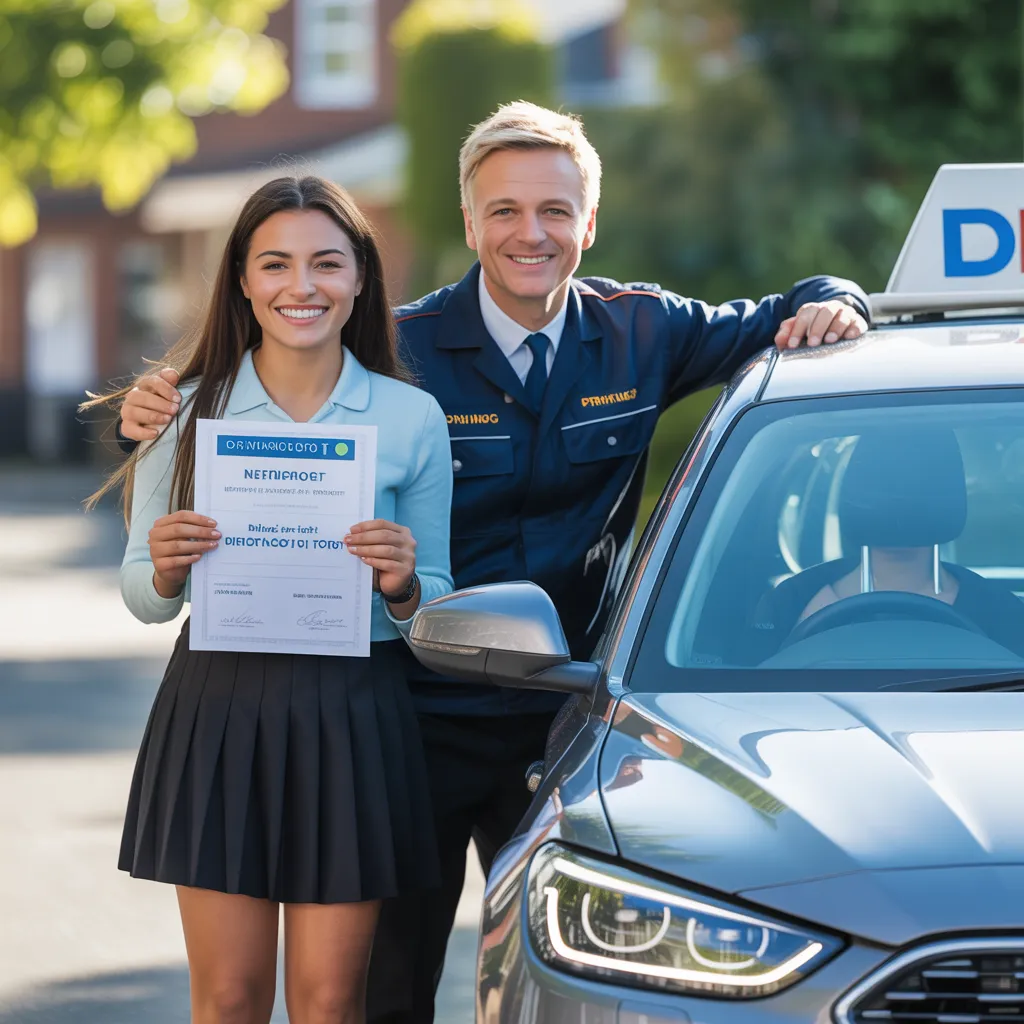
What to Expect in Your First Driving Class
As soon as a student begins their initial driving lesson, they may notice a mix of excitement and anxiety. The classroom environment, usually shared with fellow learners, establishes the backdrop for a significant experience. Instructors typically open with introductions, explaining the program framework and safety procedures. Students can expect to receive learning resources, including booklets and printed Driving School materials, which will function as valuable references throughout their course of study.
The primary emphasis is largely on familiarizing students with vehicle controls, essential road signs, and key traffic regulations. Instructors frequently stress the value of maintaining a calm demeanor at the wheel. Learners are invited to raise questions, creating a positive learning environment. Once the theoretical component is complete, most sessions incorporate real-world practice, where students become familiar with the vehicle in a controlled setting. This integration of theoretical and practical training equips students for their driving journey, building self-assurance as they set out on the path to becoming safe, skilled drivers.
Driving Curriculum: Basics to Advanced
A thorough driving course encompasses a transition from fundamental abilities to advanced techniques, so that drivers establish a firm foundation before addressing more demanding driving situations. Initially, new drivers work on essential vehicle management, including vehicle steering, braking, and throttle control. Students gain knowledge of critical traffic laws, traffic signs, and safe driving practices, delivering a comprehensive grasp of the highway code.
As students demonstrate proficiency in these basics, the curriculum advances to greater levels of skill. This covers navigating different road surfaces, handling challenging weather situations, and perfecting defensive driving strategies. Additionally, drivers gain experience with motorway navigation and challenging junctions, strengthening their capability to respond rapidly in demanding situations.
Across the program, educators stress the significance of situational awareness and responsible driving behavior. This systematic framework equips students not only to pass their driving tests but also to develop into skilled and assured drivers in diverse environments.
Building Confidence as a New Driver
New drivers often face challenges in building their confidence behind the wheel. The early stages of driving can feel daunting, as there are many responsibilities to handle and an ongoing demand for concentration. To help reduce stress, beginner drivers can gain from steady, hands-on experience across different driving scenarios. Commencing practice in areas with minimal traffic gives them the opportunity to strengthen core competencies away from the stress of busier, more intricate road conditions.
Practicing regularly is vital; spending more time behind the wheel helps new drivers grow more at ease with their car and environment. Additionally, enrolling in expert-led driving classes offers structured learning and professional guidance, fostering a sense of security. Encouragement from qualified instructors and encouraging fellow learners can further boost a beginner driver's confidence. With practice and improvement, beginner drivers will notice their confidence building, converting driving from a difficult undertaking into a more pleasurable and empowering journey.
How to Prepare for Your Driving Test
How can a new driver best prepare for their driving test? Preparation is essential for success. First, familiarizing oneself with the vehicle is important. It is important for new drivers to be confident in using all controls, including lights, wipers, and signals. Furthermore, working on maneuvers including parallel parking, three-point turns, and lane changes will strengthen their driving skills.
Additionally, going over the local driving laws and regulations can supply helpful knowledge into what examiners typically look for. Booking a practice test with a skilled instructor can recreate the examination setting, helping to reduce anxiety.
Finally, confirming all essential documents are in order, such as the learner's license and identification, is vital. By following these steps, new drivers can face their driving test with self-assurance, increasing their chances of passing on the first attempt.
Common Questions About Driving Lessons
What should new drivers be aware of before commencing their lessons? Many individuals have common questions regarding the driving lesson process. Initially, prospective drivers frequently ask about the age requirements; most regions mandate that students be at least 16 years old to obtain a learner's permit. Another frequent inquiry concerns the duration of lessons; generally, each lesson runs approximately one to two hours, based on the student's abilities and requirements.
Aspiring motorists commonly inquire about the costs associated with their lessons. Prices can vary widely based on where you live and the experience of your instructor. Furthermore, many ask whether they should bring their own vehicle; the majority of driving schools supply vehicles equipped with dual controls for the safety of students.
Lastly, students commonly question the course content. Thorough sessions usually cover essential driving skills, road regulations, and safe driving practices, ensuring that learners are well-prepared for their driving exam as well as everyday driving scenarios.
Why Choosing Expert-Led Driving Lessons Is a Smart Decision?
What makes expert-led driving lessons better than informal instruction? This comes down to the quality and overall effectiveness of the training offered. Professional instructors have in-depth knowledge of driving methods, traffic regulations, and safety procedures, making certain that learners are provided with a thorough and detailed education. They follow a structured program that enhances skills in a gradual manner, enabling learners to more effectively comprehend difficult driving concepts.
Moreover, lessons led by experts frequently include real-world scenarios, empowering drivers to handle various driving conditions with skill. Qualified instructors can give individualized critiques and improvements, which are tremendously beneficial for establishing sound driving skills. Furthermore, their expertise allows them to personalize sessions to personal learning preferences, optimizing learning outcomes and competency growth.
Finally, experienced instructors generally keep up with the latest regulations and advancements in driving education, making sure their lessons incorporate modern best practices. This professionalism makes expert-led driving lessons a superior choice for those who aspire to become skilled drivers.

Frequently Asked Questions
At What Age Can I Begin Taking Driving Lessons?
In most cases, students can commence taking driving lessons at the age of 16, while some locations allow learners to begin as early as 15. It's necessary to consult regional rules regarding minimum age criteria for driving tuition.
Is It Possible to Book Driving Lessons on Weekends?
Weekend driving lessons are commonly offered, catering to various schedules. Numerous driving schools acknowledge the need for weekend availability, giving students the freedom to study without interfering with their weekday obligations.
Can I Use My Own Car for Lessons?
Students are often permitted to bring their personal vehicles for driving lessons, so long as the vehicle fulfills safety criteria and is in proper working order. Driving instructors commonly recommend this approach to ensure familiarity and comfort during the learning process.
What Happens if I Miss a Class?
If a student misses a class, they could be required to make up the lesson or set a new time. Attendance requirements differ, so it is recommended that the student speak with their instructor regarding any potential penalties or options.
Can I Book Lessons for Automatic and Manual Cars?
Yes, the curriculum offers instruction for both manual and automatic cars. Individuals can opt for their ideal transmission type, ensuring they are provided with personalized instruction that addresses their unique driving needs and preferences for learning.